
The world of computing continually evolves, with one notable area of progress being the Peripheral Component Interconnect Express, better known as PCIe. Among the latest standards, PCIe 3.0 and PCIe 4.0 dominate the market, but what sets them apart? In this article, we delve into the nuances of PCIe 3.0 and PCIe 4.0, offering a comprehensive view of their performance, compatibility, and value.
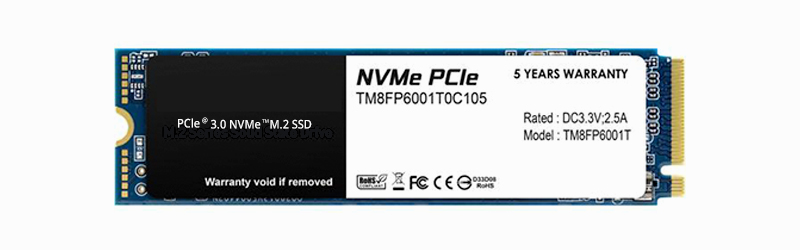
Launched in November 2010, PCIe 3.0 brought with it a data transfer rate of 8 Gigatransfers per second (GT/s). This marked an upgrade from previous generations and featured optimizations for signaling, data integrity, and more. It has gained traction across the industry, proving beneficial for enterprises in terms of performance, cost, and density.
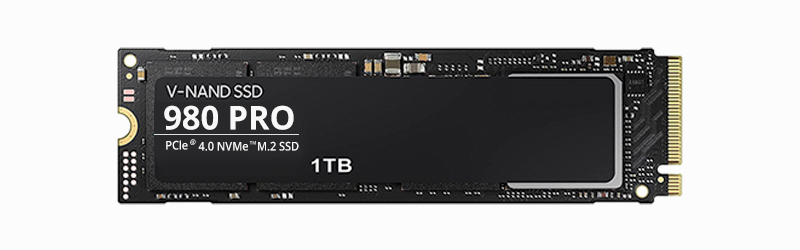
PCIe 4.0, introduced in June 2017, doubles the data transfer rate of its predecessor to a staggering 16 GT/s. Like its predecessor, PCIe 4.0 retains compatibility with earlier generations. With more manufacturers incorporating PCIe 4.0 into their devices, its prevalence has grown significantly.
Here, we provide a detailed look at the key differences between PCIe 3.0 and PCIe 4.0.
| Aspect | PCIe 3.0 | PCIe 4.0 |
|---|---|---|
| Slot and Lanes | Can be configured with x1, x2, x4, x8, x16 lanes. | Can also be configured with x1, x2, x4, x8, x16 lanes, but offers double the transfer rate per lane. |
| Speed | 8 GT/s data transfer rate. | 16 GT/s data transfer rate, essentially double of PCIe 3.0. |
| Compatibility | Backward and forward compatible with existing PCIe configurations. | Retains backward and forward compatibility like its predecessor. |
| Price | Typically lower price due to older generation. | Generally higher priced due to advanced features and performance. |
From this comparison, it's evident that while PCIe 4.0 brings significant enhancements, PCIe 3.0 remains a viable option for those with specific needs or budget constraints. When deciding between the two, it is crucial to consider your specific requirements and future plans.
The decision to upgrade from PCIe 3.0 to PCIe 4.0 should largely be based on your individual use-case scenario. If your current setup meets your requirements and there's no immediate need for increased bandwidth or speed, then an upgrade might not offer substantial value. On the other hand, if your workload is expanding and you need more performance, then PCIe 4.0 can provide the extra boost you need.
At Gezhi, we believe in providing tailored solutions to meet your unique needs. Whether you require a PCIe 3.0 or PCIe 4.0, we have a range of high-quality, customizable solutions to help you optimize your installations.
Address : 5F,Zhongshunyiquan Industry Park, Fuqian Road,Longhua District, Shenzhen, China
Address : 5F,Zhongshunyiquan Industry Park, Fuqian Road,Longhua District, Shenzhen, China
Tel : +86-755-23771707
Whatsapp : +86 13544277727
Email : sales@gezhi.net
Skype : 13544277727
Copyright Gezhi Photonics Co.,Ltd. All rights reserved.


